
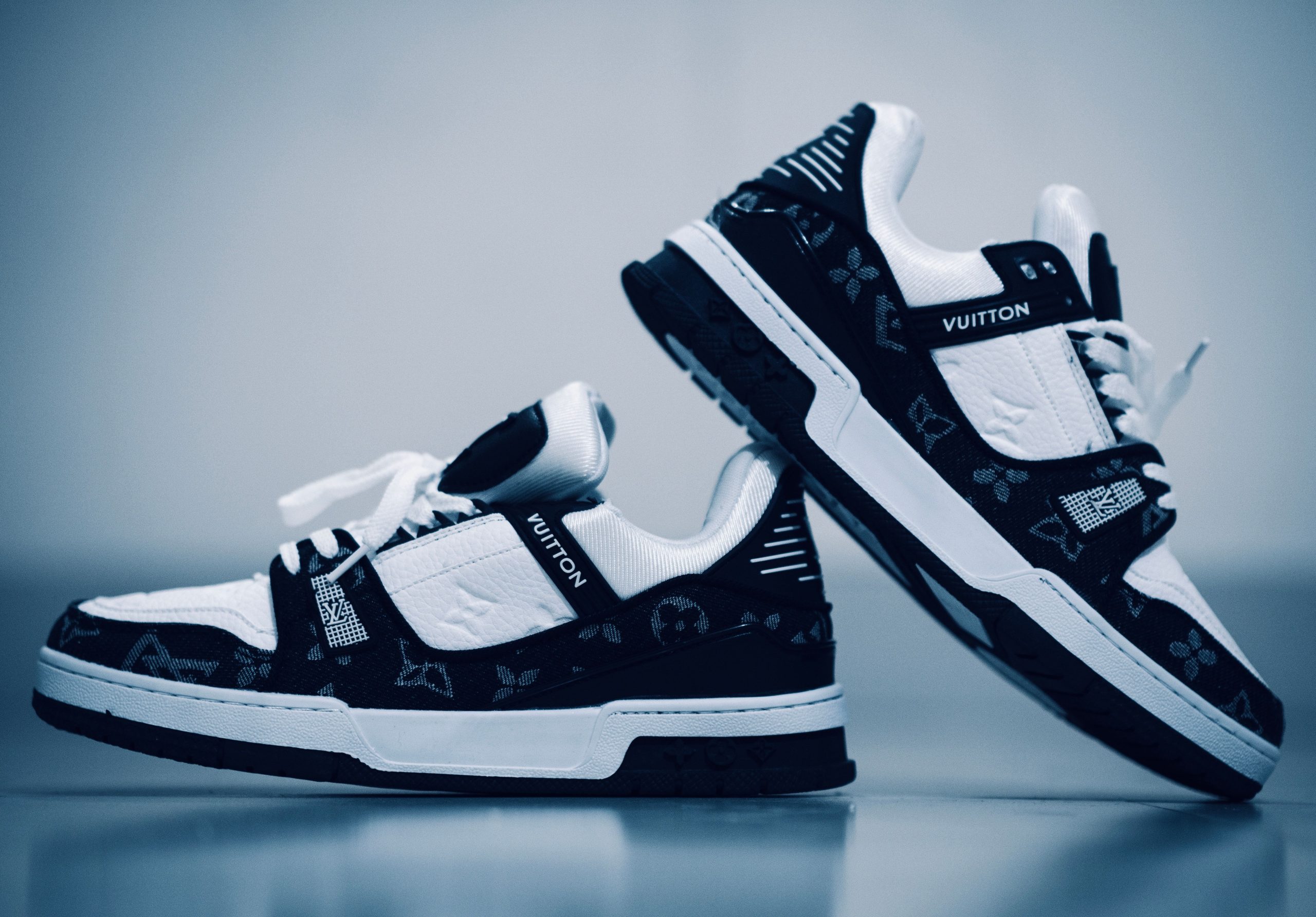
A new shoe collection gives a brand plenty to show, but not necessarily enough time to write strong copy for every social platform. The same launch may need a short hook for TikTok, a more searchable description for Pinterest, a conversation starter for Instagram, and a direct product message for Facebook.
That is where AI caption tools help. Their best use is not pressing a button labelled “make this viral.” It is turning a clear product brief into several purposeful drafts, each shaped for the way people discover and evaluate shoes on a particular platform.

The caption problem is really a positioning problem
“New shoes are here” is technically a caption. It is also almost impossible to remember. A useful launch caption answers at least one of four questions:
- What makes this shoe visually or functionally different?
- Who is it designed for?
- When would someone wear it?
- What should the viewer do next?
AI can produce ten versions in seconds, but it cannot reliably decide which product truth matters most unless you provide the context. A prompt that says “write an Instagram caption for new sneakers” invites soft, interchangeable language. A prompt that identifies the colourway, intended use, fit, materials, price position, launch date, and desired action gives the tool something to work with.
My rule is simple: give the tool more product detail than you expect to publish. The finished caption can be short; the brief should not be.
Build one product brief before opening an AI tool
Start with a source-of-truth document for the collection. This prevents the most damaging AI caption error: confidently describing a feature the shoe does not have.
- Collection name: Include the exact spelling and any seasonal context.
- Product facts: List colours, materials, sizes, fit notes, care instructions, and confirmed features.
- Audience: Describe the buyer by use case rather than vague demographics, such as commuters, runners, festival-goers, or minimalist wardrobe shoppers.
- Visual details: Note the dominant colours, silhouette, texture, styling, and what the camera should make people notice.
- Commercial goal: Choose one primary action, such as save, comment, visit the product page, join a launch list, or shop now.
- Voice: Define a few boundaries: playful but not childish, premium but not formal, technical but not dense.
Keep claims such as “waterproof,” “vegan,” “limited,” “handmade,” or “all-day comfort” out of the prompt unless the business has verified them. AI is a language generator, not a product compliance department.
For additional guidance on maintaining accurate product information, see Google’s product data specification.
Give each platform a different job
A strong multi-platform campaign does not require five unrelated creative ideas. It requires one campaign idea expressed in five different ways.
Instagram: make the caption extend the image
For a collection carousel or Reel, ask AI for a first line that creates curiosity, followed by one concrete product detail and a low-friction prompt for comments. The image should show the shoe; the caption can explain the decision behind it, such as why the colour was chosen or what outfits it was designed to complement.
Good prompts include: “Write three caption options for a carousel showing the collection from three angles” or “Turn these product facts into a caption that invites people to choose their favourite colourway.” Avoid asking for a generic list of hashtags before the main copy is finished. Hashtags cannot rescue a caption with no point of view.
For more platform-specific guidance, Instagram provides best practices for creators covering content creation, engagement, and reach.
TikTok: write for the video’s first moment
TikTok copy works best when it supports what happens on screen rather than narrating every frame. Give the tool the opening visual, the intended audience, and the payoff. Ask for short on-screen text, a spoken hook, and a caption as separate outputs.
For example: “The video opens with a close-up of the sole, cuts to three colourways, then shows the shoes styled for a full day in the city. Write five spoken hooks that sound natural, not like an advertisement.” This keeps the AI focused on the actual edit.
TikTok’s official creative best practices also explain how video hooks, product highlights, and clear calls to action work together.
Facebook: reduce uncertainty and make the action obvious
Facebook captions can carry more context when the post is aimed at existing customers or a broader shopping audience. Ask AI to foreground useful information such as availability, sizing, delivery timing, or the occasion the shoe suits, but only include details that have been confirmed.
A useful structure is: collection announcement, practical reason to care, one differentiating detail, and a direct next step. If the post is designed to prompt discussion, ask one specific question rather than ending with “What do you think?”
Pinterest: treat the caption as searchable product metadata
Pinterest is not just another feed for recycled Instagram copy. People use it to discover ideas and products, so descriptive language matters. Pinterest’s creative best practices for ads recommends putting products front and centre, using a vertical 2:3 format for standard image ads, and writing clear titles and descriptions. The page lists a maximum of 100 characters for a Pin title and 500 characters for a Pin description.
Ask AI to produce a descriptive title and a useful description containing the shoe type, colour, styling context, and intended use. “Bright red trainers” is more discoverable and more helpful than “Your next obsession.” The latter may work as a supporting phrase, but it is not enough information to help a shopper find the product.
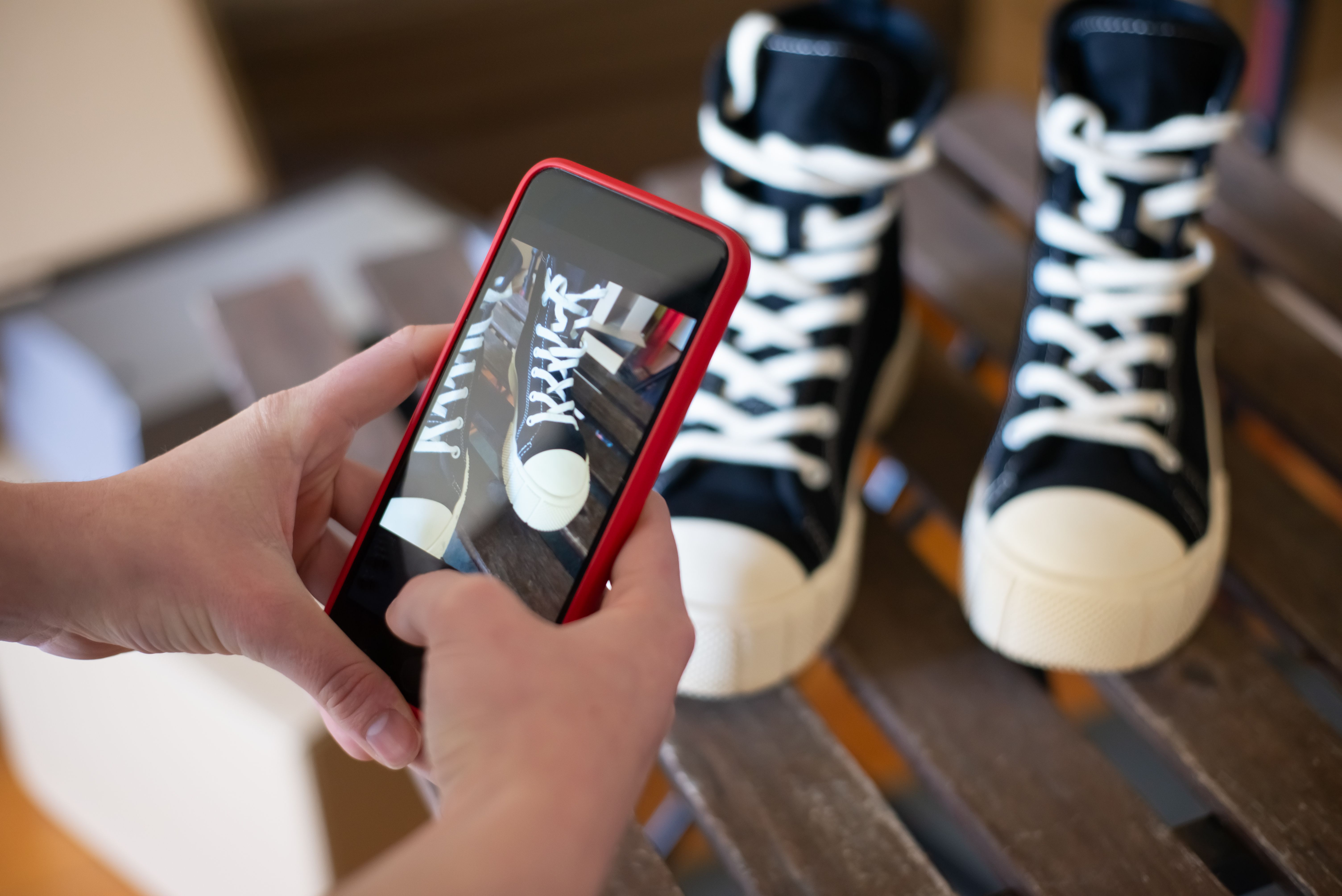
Prompt templates for a shoe launch
These prompts are deliberately specific. Replace the bracketed text with verified information from the product brief.
- Campaign set: “Create five caption variations for the [collection name]. The key product truth is [fact]. The target customer is [use case]. Keep the tone [voice]. Write one version each for Instagram, TikTok, Facebook, Pinterest, and an email teaser. Do not invent materials, performance claims, prices, or availability.”
- Instagram carousel: “Write a caption for a five-image carousel showing [visual sequence]. Start with a line under 12 words, explain [specific detail], and end with a question about [colour, styling, or use]. Keep it conversational.”
- TikTok launch: “Write six spoken hooks for a video that begins with [opening shot]. The audience is [audience]. Each hook should sound like something a person would say aloud and should lead naturally into [payoff].”
- Pinterest Pin: “Write one searchable Pin title and one description for [shoe]. Include [shoe type], [colour], [style], and [use case]. Keep the title within 100 characters and the description within 500 characters. Avoid unsupported claims.”
Ask for alternatives by angle, not just synonyms. Useful angles include colour discovery, outfit styling, comfort routine, behind-the-scenes design, gift buying, and seasonal transition. Ten synonyms for “step into” are not a content strategy.
One collection, four creative angles
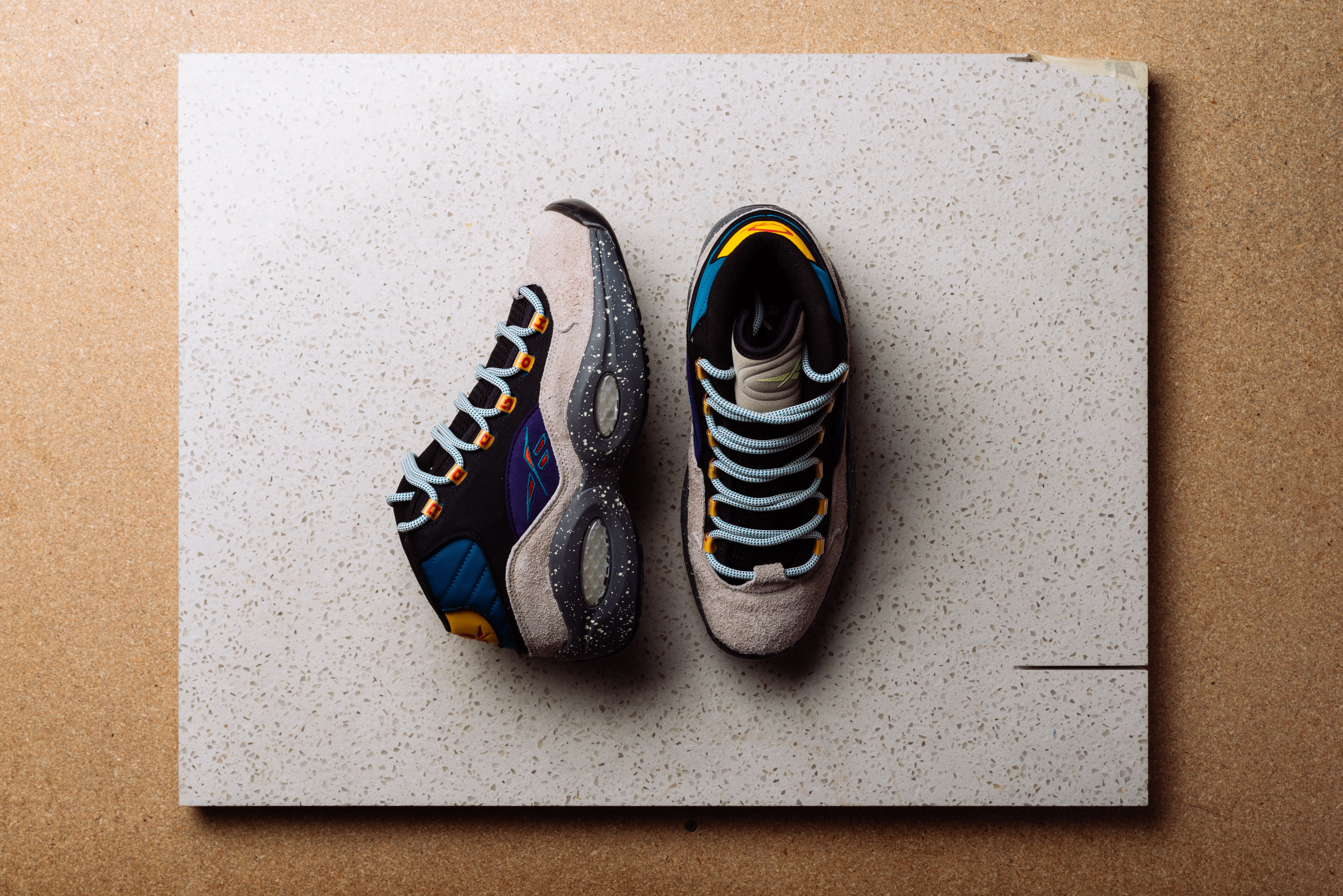
When a launch feels repetitive, change the reason for posting rather than forcing a new adjective onto the same sales message.
- The reveal: Show the collection and name the design idea behind it.
- The choice: Invite people to compare colourways, textures, or styling options.
- The proof: Use close-ups, fit information, customer questions, or a designer explanation.
- The life of the shoe: Show where it fits into a real day, outfit, trip, commute, or weekend plan.
AI is particularly useful here because it can reframe the same verified facts without requiring the social manager to start from a blank page every time. The human still decides whether the angle is true, distinctive, and appropriate for the audience.
Schedule variations, then review the human details
Once the captions are approved, put them into a content planner alongside the asset, platform, campaign angle, launch date, destination URL, and approval status. This is where a clever draft becomes an executable campaign.
Before scheduling, check every caption against the image and product page. Look for mismatched colours, incorrect pluralisation, claims about stock, awkward calls to action, accidental American or British spelling changes, and language that sounds too polished for the brand. Also check whether the caption repeats text already visible in the creative; repetition is useful when it clarifies the message, but wasteful when it fills space.
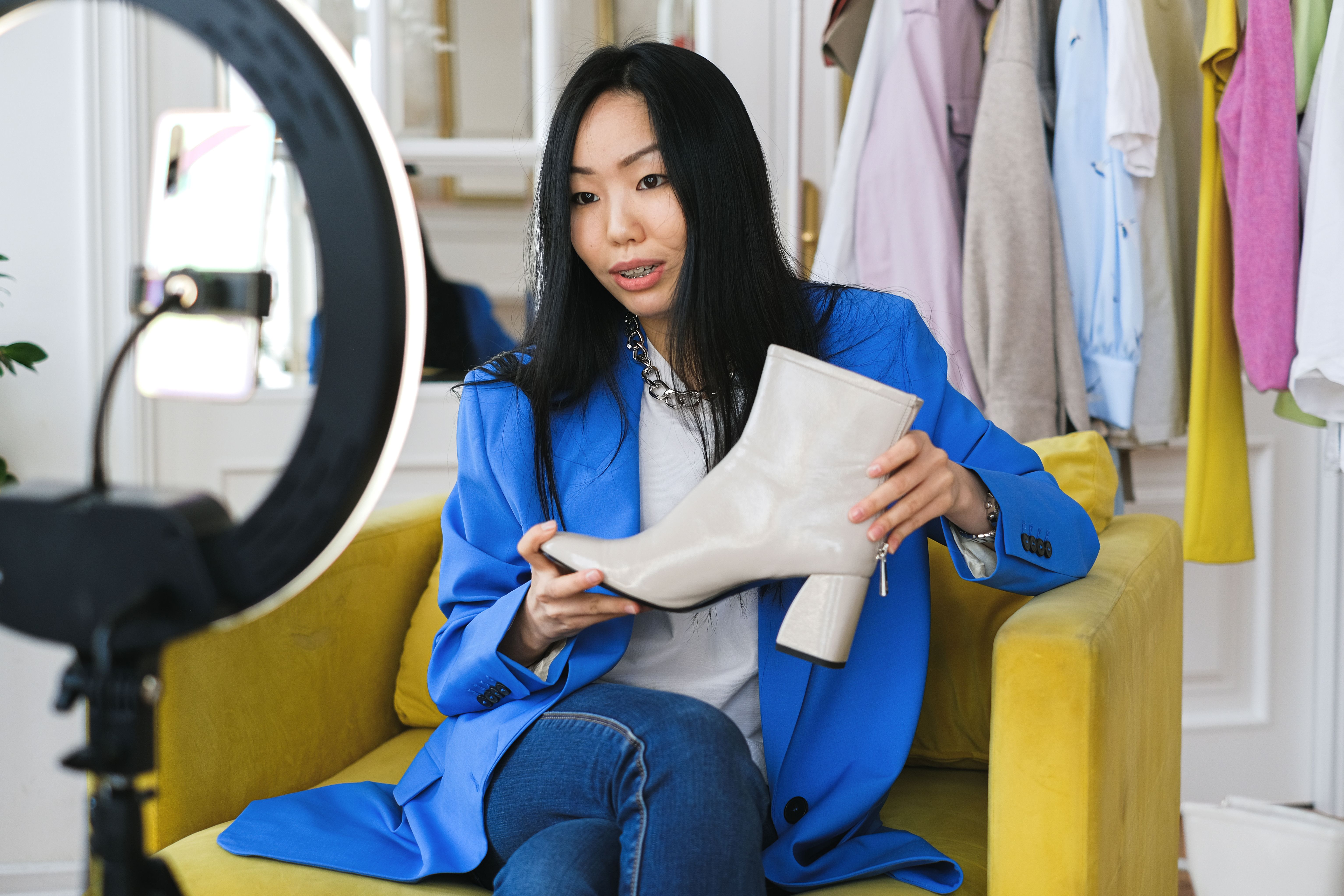
What AI caption tools should not decide
Do not outsource the brand’s taste. An AI tool can suggest a warm caption, but it does not know whether your customers find that tone credible. It can add urgency, but it cannot decide whether scarcity language is honest. It can recommend a trend, but it cannot tell whether the trend fits the collection or will date the campaign in a week.
The strongest workflow has three checkpoints:
- Generation: Produce several platform-specific options from the verified brief.
- Editorial selection: Choose the option with the clearest product truth and most natural voice.
- Performance review: Compare saves, comments, clicks, product-page visits, and sales according to the campaign goal, then feed the learning into the next brief.
Do not judge every caption by immediate sales alone. A colour comparison post may earn saves, while a later product demonstration earns clicks. The useful question is not “Which caption went viral?” but “Which message moved the audience closer to the action we wanted?”
Frequently asked questions
Can one AI-generated caption be used on every social platform?
It can, but it usually should not be. Rework the opening, length, detail level, and call to action for each platform while keeping the core product facts consistent.
What information should a shoe brand give an AI caption tool?
Provide the collection name, verified features, colours, materials, audience, use case, campaign goal, visual description, brand voice, and any claims the tool must avoid inventing.
How can AI captions improve social search for shoes?
Use precise language that names the shoe type, colour, style, audience, and use case. Descriptive terms help people understand the post and can make product content easier to discover, especially on visually oriented search platforms.
Should AI write hashtags for a new shoe collection?
It may suggest them, but a person should check relevance, brand fit, and current platform conventions. Start with the caption’s message and product clarity; hashtags are supporting metadata, not the campaign idea.
How do I stop AI captions from sounding generic?
Include a specific visual detail, a real product fact, a defined audience, and a precise action in the prompt. Then remove familiar filler such as “step into your best self” unless it genuinely belongs to the brand voice.
The best AI caption is still edited
AI caption tools are most valuable when they remove repetitive drafting, not when they replace judgment. Give the tool one accurate product brief, ask for platform-native variations, and make a human responsible for the final truth and tone.
For a new shoe collection, that approach creates a campaign that feels related without feeling copied: the same design story, translated into the language of discovery, conversation, search, and purchase on each platform.